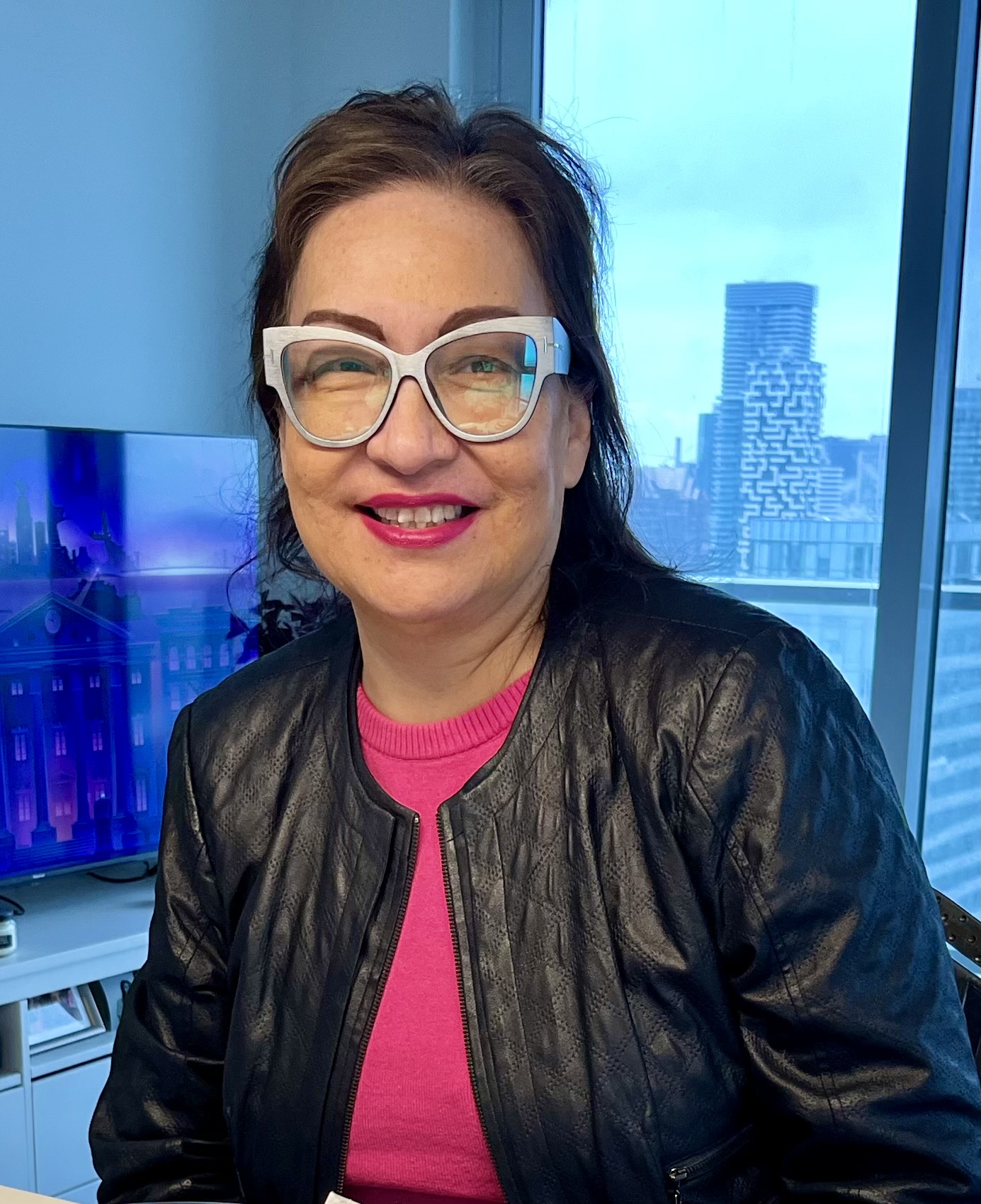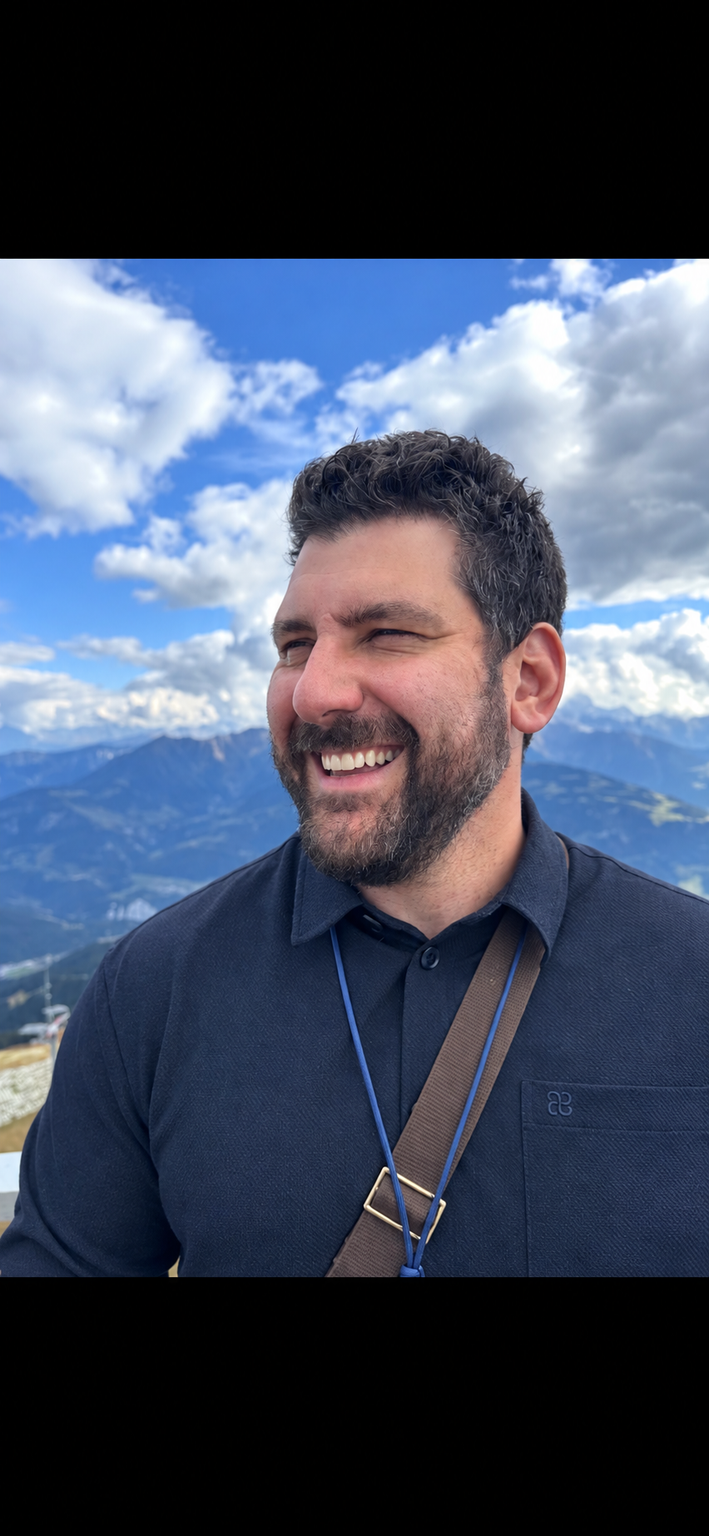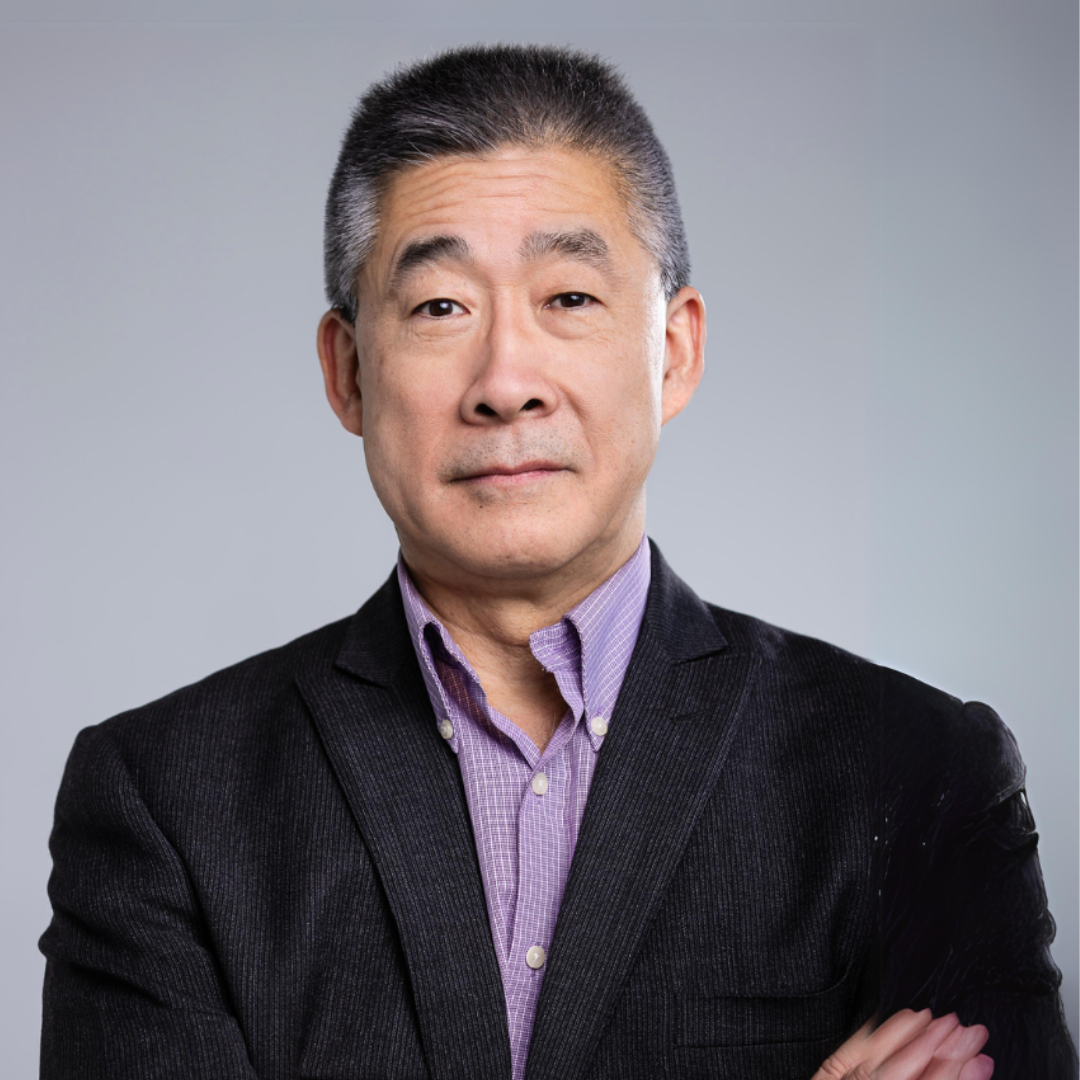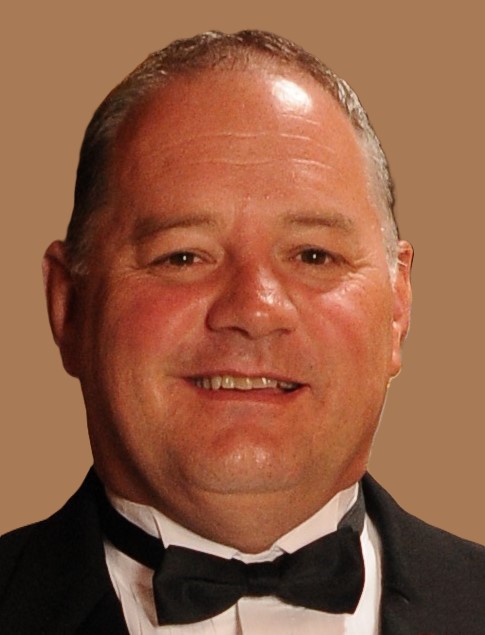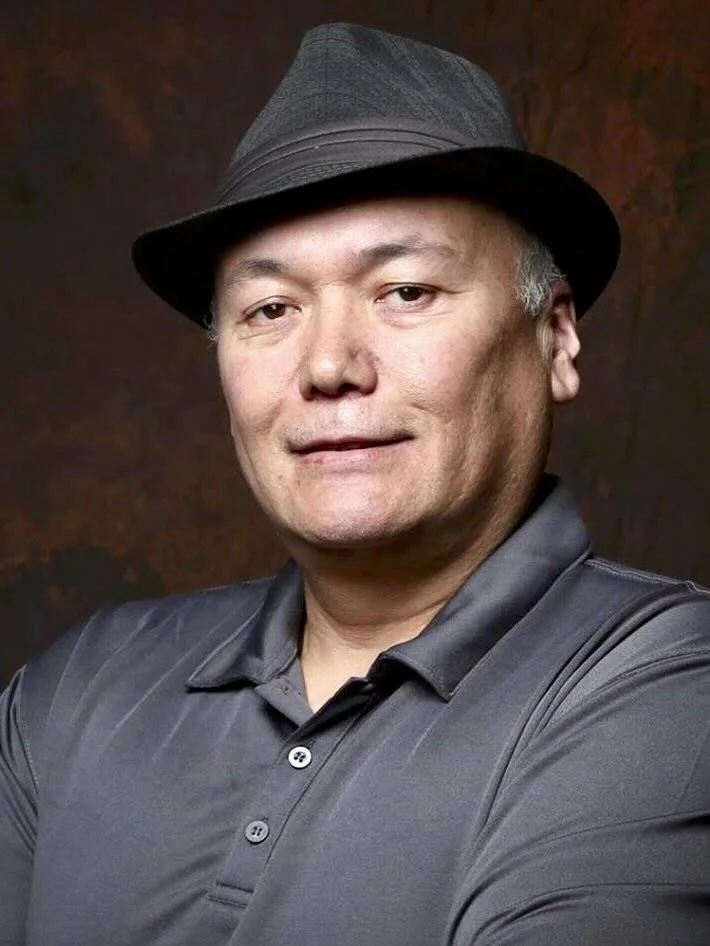
Lana Eagle
Beyond First Engagement to Trusting and Lasting Relationships
While early and meaningful engagement with Indigenous communities is paramount in mineral exploration today, how do we effectively move on from that initial starting point to building an enduring and trusting relationship? Lana will present her ideas and views to help you find answers to this question.
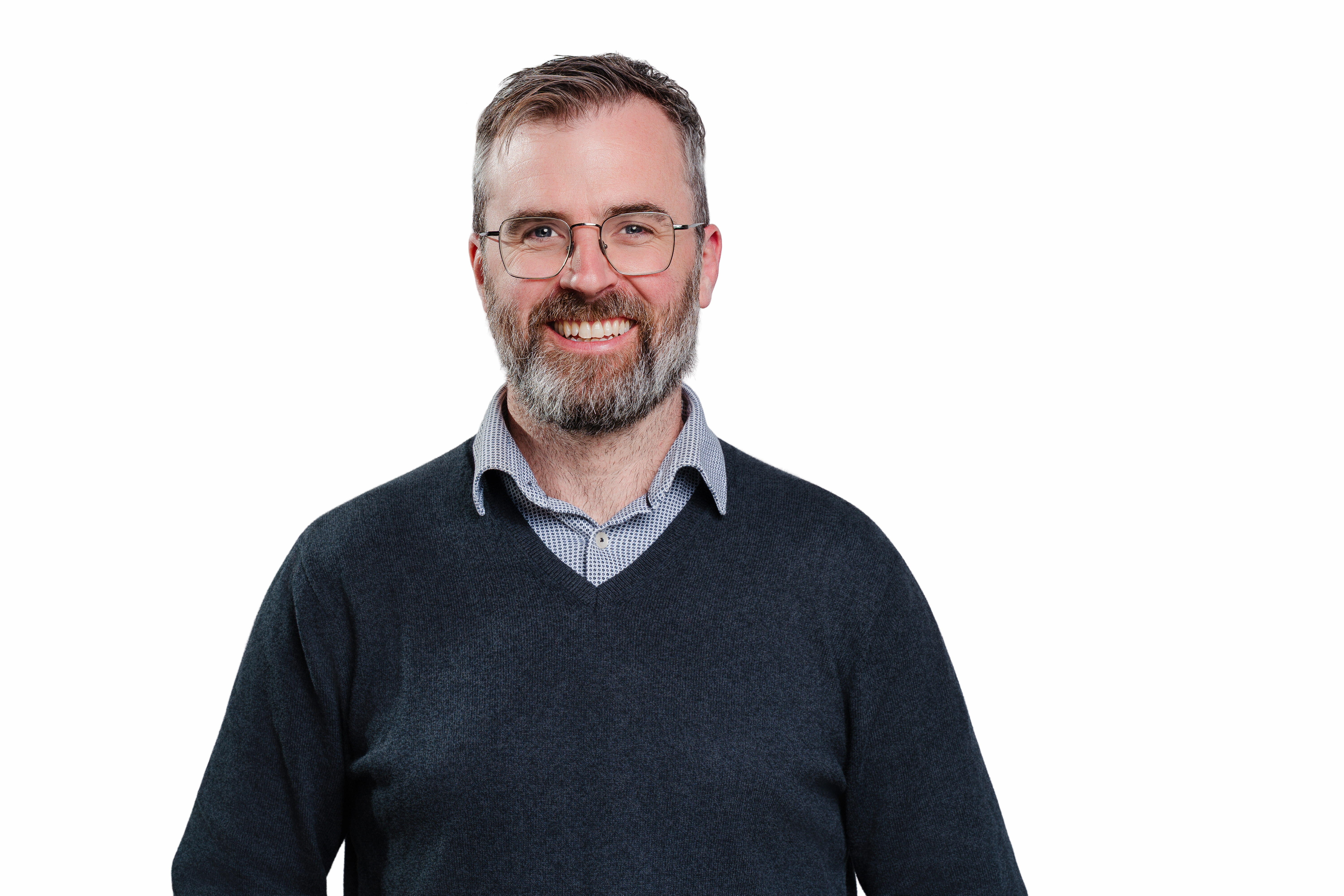
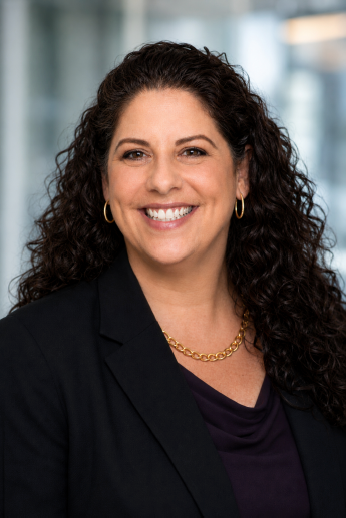
Lana Eagle is a member of the Whitecap Dakota First Nation and one of Canada’s most respected Indigenous relations strategists. She provides her advisory service through Lana Eagle Consulting. She is well-known in the mineral exploration sector for her depth of knowledge regarding Indigenous engagement and for helping companies to build relationships with Indigenous communities. Her background is in banking, economic development, wealth management and mineral exploration.
Lana was a “pioneer” for Indigenous women in being one of the first to chair a publicly traded junior mineral exploration company. She is a Board member of Geoscience B.C. and the Prospectors and Developers Association of Canada, where she also serves as Co-chair of the Indigenous Affairs Committee. Lana also serves on the board of Kodiak Copper Corp., a publicly traded mineral exploration company.
This session is being held in Hudbay Stage (in Centennial next to the EventCamp Registration Area)
TBC
TBC
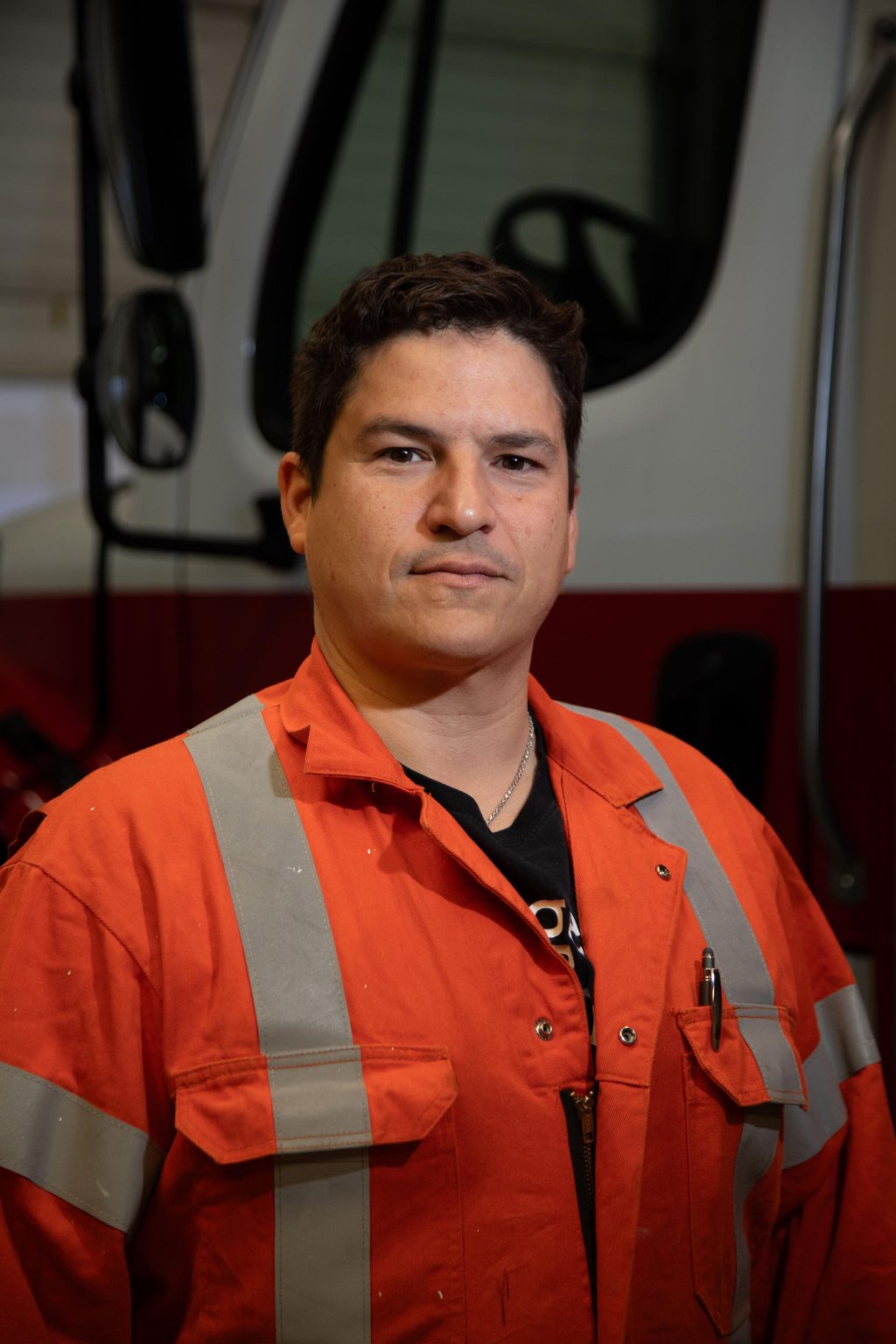
Ray Solski, Chair
Ray Solski is the Indigenous and Community Relations Specialist and Communications Advisor at Vale’s Thompson, Manitoba operations. With 17 years in the mining industry, Ray has progressed through roles in operations, supervision, learning & development, and safety & health. He now leads strategic engagement and communications initiatives.
Ray’s broad experience across operational and corporate functions gives him a well-rounded perspective on organizational effectiveness and stakeholder engagement. He is recognized for fostering respectful relationships with Indigenous communities and stakeholders, and for delivering inclusive, effective, and sustainable initiatives.
He is the co-chair of the Mining Association of Manitoba’s Indigenous Relations Committee and founder of the Rylen Solski Memorial Fishing Derby, a non-profit raising awareness of Kawasaki disease in partnership with Kawasaki Disease Canada. A proud Thompson resident, Ray enjoys outdoor activities and is actively raising his family in Manitoba’s North.
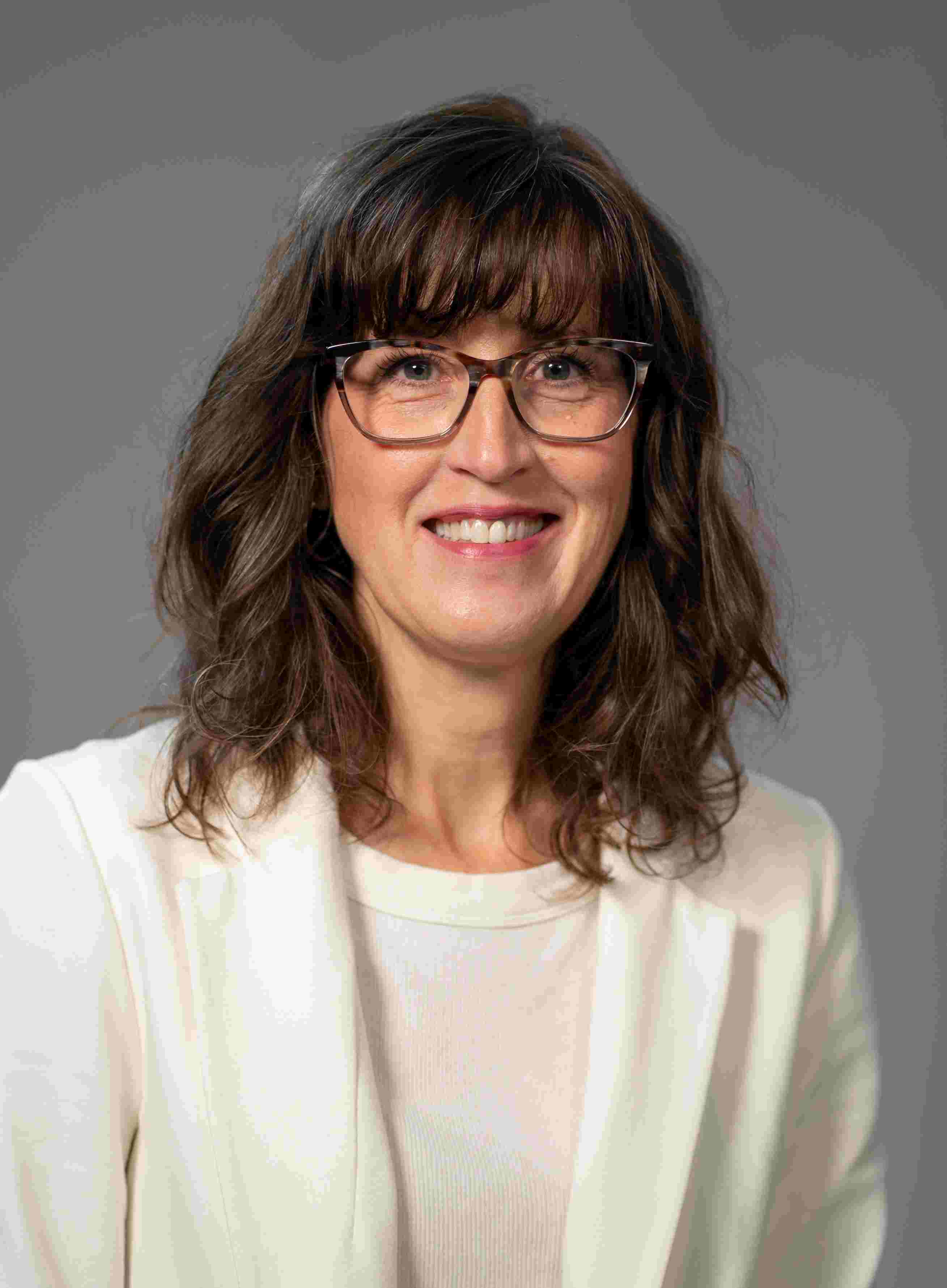
Sabrina Kehoe, P2inacle
Driving Mining Innovation Through Collaboration
Coming Soon!
Sabrina Kehoe serves as the P2INACLE Navigator where she provides strategic leadership for network coordination, partnership development, and program delivery across the multi‑institutional applied research ecosystem.
In this role, she advances collaboration among polytechnic partners, aligns industry‑driven opportunities with research capacity, and supports sustainable network growth.
Known for her strong relationship‑building skills and results‑focused approach, Sabrina plays a central role in translating strategy into action and ensuring P2INACLE delivers measurable research and innovation outcomes.
Nick Kunewicz, Arch Airworks
Coming Soon!
Nick Kuncewicz is the founder, owner/operator, and CEO of ARCH Airworks Inc., a Manitoba-based geospatial and remote sensing company specializing in advanced UAV data acquisition, processing, and analysis. He holds an MSc in Archaeological Science from Lakehead University, where his research focused on UAV-based remote sensing and its application to non-invasive archaeological investigation.
Through ARCH Airworks, Nick works directly with UAV and mobile LiDAR systems, multispectral imaging, thermal sensing, visible light cameras, and emerging hyperspectral technologies across archaeology and cultural heritage, environmental assessment, forestry, and mineral exploration. His current work includes the development and field validation of integrated hyperspectral and geospatial workflows for critical-mineral exploration in Manitoba, alongside ongoing R&D in GIS-based analysis, automated feature detection, and machine-learning applications for remote sensing data.
Nick is also an Advanced RPAS pilot and a professional practicing archaeologist bringing a field-oriented perspective to the development and commercialization of remote sensing technologies, with a focus on translating emerging sensor capabilities into practical tools for industry.
Ed Suzuki, Chair
Edward Suzuki is a Program Manager leading the Manitoba Mineral Development Fund (MMDF) at the Manitoba Chambers of Commerce. With a master’s in city planning from the University of Manitoba and a bachelor’s in urban studies from the University of Winnipeg, Edward combines academic insight with hands-on experience in mineral exploration and economic development.
He has overseen diverse projects across Manitoba, focusing on strategic planning, stakeholder engagement, and sustainable growth. At MMDF, he evaluates applications, allocates resources, and monitors project progress, working closely with exploration companies, government bodies, and development organizations.
Outside of work, Edward enjoys biking, hiking, photography, and exploring Canada’s natural landscapes.
Chris Whorton, Alamos Gold
Alamos Gold has one of the strongest growth profiles in the sector with a portfolio of high-return projects. This includes the Lynn Lake Project, which is expected to drive Alamos’ consolidated production rate to approximately 900,000 ounces per year once operational.
Alamos Gold began working in Lynn Lake in 2015 with a long-term vision – to develop a sustainable, and long-life mining operation that brings lasting benefits to our First Nation community partners, Lynn Lake and Northern Manitoba.
With construction now underway, the Lynn Lake project is expected to be completed in 2028 and operate for 27 years. Its two primary deposits – MacLellan and Gordon – will be developed using conventional truck and shovel open pit mining methods. They are expected to operate concurrently for the first five years of operation, and as the Gordon pit nears depletion, mining equipment will be transferred to MacLellan and utilized over the remainder of its mine life.
Additionally, recent exploration results show that further upside potential exists across the large, underexplored Lynn Lake Greenstone Belt.
Chris Whorton is currently the Project Director and Senior Leader in Project and Construction Management with Alamos Gold. With over 30 years of experience in Project and Construction Management, Chris has successfully led large-scale projects across multiple industries, including mining, oil & gas, chemical, nuclear, and refinery sectors. Having worked with industry giants like BHP, K+S, BP, TECK, Glencore, Nutrien, and Mosaic, he has honed his expertise in managing complex industrial projects worldwide.
Chris' career trajectory spans from feasibility studies to engineering design, and on-site construction management, offering a comprehensive understanding of the project lifecycle. His recent focus has been on the mining and potash industries, with a strong background in oil, gas, and nuclear projects prior to 2010.
In 2010, Chris made Saskatoon his home and holds both Canadian and British citizenship.
Michele Della Libera, 1911 Gold
Revival of the Historic True North Gold Mine and Regional Rice Lake Greenstone Belt
The True North Gold Project (“True North”), 100% owned by 1911 Gold Corporation (“1911 Gold”), is located adjacent to the township of Bissett, approximately 150 km north-east of the city of Winnipeg, Manitoba. True North sits centrally within a large and recently consolidated ~62,000-ha land position covering the entire Archean Rice Lake Greenstone Belt.
On November 20, 2024, 1911 Gold completed an updated geological model and subsequent mineral resource estimate for the project, containing a total resource inventory of 1.143Moz Au (3.52 M t @ 4.41 g/t Au for 499koz Indicated and 5.49M t @ 3.65 g/t Au for 644koz Inferred). New potential target areas were generated through reinterpretation of the historical data within the mine lease footprint supporting a renewed interest and focus on near-mine exploration opportunities.
Subsequent exploration drilling testing new targets has successfully confirmed three new high-grade gold mineralized zones hosted within the San Antonio Gabbro. The updated resource and new resource potential have resulted in expanded development activities, including underground rehabilitation of working levels to support current and future drill programs, deep exploration, resource expansion and infill drilling.
Additionally, the Company remains active in regional exploration to unlock the untested potential of the greenstone belt.
Mr. Michele Della Libera is an economic geologist with over 30 years of professional experience exploring diverse precious and base metal systems in the Americas and Australia. His background includes assignments ranging from early stage generative exploration programs, resource delineation, deposit modeling and estimation for advanced technical studies, reserves replacement at operating mine sites and technical evaluations in support of business development initiatives.
Along his career path he has successfully fulfilled leadership roles of progressively increasing responsibility, including over ten years as Director of Exploration for New Gold Inc. Among his professional accomplishments are the exploration and delineation of the 10+ million-ounce Blackwater gold-silver deposit, currently under production, and the exploration and reserves expansion of the C-Zone extension to the New Afton copper-gold deposit, both in British Columbia, Canada. He holds a Master degree in Geological Science (Structural Geology) from the Università degli Studi di Pisa, Italy, and is a registered Professional Geologist (P.Geo.) with the Association of Professional Engineers and Geoscientists of Manitoba, Professional Geoscientist in Ontario and Engineers and Geoscientists of British Columbia.
Dr. Tafa Kennedy, Chaie
Dr. Tafa Kennedy is the Director of Manitoba Geological Survey, with over 20 years’ experience in the exploration and mining industry, in South Africa, Tanzania, Quebec and Ontario. Tafa obtained her B.Sc from Rhodes University, M.Sc from Pretoria University and Ph.D. from the University of Quebec in Chicoutimi.
She has worked as a Nickel and PGE deposit geologist in Raglan and Kabanga for Xstrata Nickel and as a consultant geologist in Quebec, roaming in and around the Abitibi greenstone belt dealing with gold and base metal deposits. After a time in the industry, her call to the public service began in 2017 with the Resident Geologist Program and the Mining Lands Division in Ontario.
Kody Penner, Tahltan Nation
Indigenous Nations across Canada are increasingly seeking ways to transform resource development within their territories into meaningful, short and long-term wealth and economic independence. Nations Royalty was created to advance a new model of Indigenous participation in the resource sector, one that moves beyond traditional benefits and creates lasting ownership and financial participation.
We’ll explore how Indigenous-owned royalties can provide Nations with long-term exposure to resource projects while creating diversified and sustainable revenue streams for present and future generations. Drawing on real-world examples and the experience of Nations Royalty, the presentation will examine how existing royalty interests can be brought together within a publicly traded company, creating potential for liquidity, diversification, growth, and continued Indigenous ownership.
The presentation will also discuss the broader evolution of Indigenous economic participation in Canada’s natural resource sector, including the shift from consultation and impact benefit agreements toward equity ownership, royalties, partnerships, and Indigenous-led investment.
Ultimately, the session will explore how innovative financial structures can help Indigenous Nations convert resource development today into intergenerational wealth, greater economic self-determination, and stronger participation in Canada’s economy.
Kody Penner is a mining professional with diverse experience in the mining industry and Indigenous space. He has helped create strategy and drive value for Indigenous governments and business while building lasting, sustainable relationships. With experience working in junior and major mining companies, he brings a collaborative approach to decision making, aligning values of rights and stakeholders toward common goals.
He advanced from an underground miner to a strategy role at Canada’s largest diversified miner and is currently the Chief Development Officer for Nations Royalty, Canada's first Majority Indigenous owned public company.
He is a Tahltan First Nation member and past Vice-Chair of the Tahltan Nation Development Corporation, where he helped lead the company through major strategic and operational changes by enhancing governance and management structures.
Chris Coueslan, MGS
Geology and mineral deposits of the Thompson Nickel Belt, central Manitoba
The Thompson Nickel Belt forms a segment of the Superior Boundary Zone, along the northwestern margin of the Superior craton in Manitoba. The belt is host to one producing nickel mine, seven mines that are past-producing or on care and maintenance, and numerous deposits.
The nickel deposits were generated when ca. 1.88 Ga ultramafic rocks intruded sulphide-rich sedimentary rocks of the Paleoproterozoic Ospwagan Group. Intense deformation and metamorphism during the ca. 1.80 Ga Trans-Hudson Orogen resulted in the local remobilization of nickel sulphides into regional fold noses and parasitic fold hinges.
Conductors and ultramafic rocks associated with Ospwagan Group stratigraphy in regional fold hinges make prime exploration targets for nickel in the belt. A recent gold discovery in the northern portion of the belt suggests there may be a historically overlooked potential for precious metals in the Thompson Nickel Belt.
Chris Couëslan is a project geologist in the Precambrian section of the Manitoba Geological Survey. He obtained his PhD from the University of Calgary in 2013 where his work focused on the tectonometamorphic evolution of the Thompson Nickel Belt.
He has worked with the MGS since 2008 and specializes in the geology and mapping of high-grade metamorphic terranes, metamorphosed hydrothermal alteration systems, and alkaline igneous complexes. Chris has extensive experience working in the Thompson Nickel Belt as well as the Kisseynew and Pikwitonei domains of Manitoba.
Wouter Bleeker, NRCAN
Coming Soon!
Kyle Reid, Government of Manitoba
Preliminary mapping results from Thompson Lake: Back to Basics with a Splash of New
The structural complexity and felsic-dominated character of volcanic rocks in the Sourdough Bay block present challenges to understanding volcanic stratigraphy that is critical to effective volcanogenic massive sulphide exploration.
Mapping in 2026 capitalizes on recent forest fires that revealed large amounts of outcrop that had previously been heavily forested and covered with lichen. Initial reconnaissance was completed via a real-time kinematic position capable drone collecting detailed imagery, which was processed using photogrammetry to build a digital elevation model for the map area.
This imagery and elevation model were then used to assist bedrock geological mapping and structural interpretation as well as identify felsic volcaniclastic sequences that are bracketed by subordinate mafic flows that define a stratigraphy that can be traced from the centre of Thompson Lake (northern peninsula) through the North Star volcanogenic massive sulphide deposit to Murray Lake.
Kyle Reid has a B.Sc in geology from Brandon University and has a Ph. D. from the University of Saskatchewan, where he studied the controls on hydrothermal uranium minerals in the Athabasca Basin using mineral geochemistry, whole-rock geochemistry, and stable and radiogenic isotopes.
He has experience working as an exploration geologist in Manitoba’s Flin Flon belt searching for VMS deposits. Kyle’s present position is as a Precambrian geologist at the Manitoba Geological Survey.
K Andsdell
Major Building Blocks of Central Canada
Kevin is a Professor in the Department of Geological Sciences at the University of Saskatchewan, with expertise in mineral deposits, and the Precambrian rocks of the Trans-Hudson orogen.
He grew up in England, obtaining a degree from Oxford University, before coming to Canada for an M.Sc. degree at the University of Alberta, and a PhD from the University of Saskatchewan on gold deposits in the western Flin Flon domain.
He has supervised graduate and undergraduate research projects on uranium, base and precious metals, and rare earth elements, supported by NSERC, and many local companies. He has served on the Council of the Geological Association of Canada, and more recently, he has served as President, and now Secretary, of the Canadian Geological Foundation, and was the Director for the Association of Professional Geoscientists and Engineers of Saskatchewan, on Geoscientists Canada, serving a term as President. At the University of Saskatchewan, he is a member of the Steering Committee for the “Energy and Mineral Resources for a Sustainable Future” signature area of research.
Dr. Tafa Kennedy, Chair
Dr. Tafa Kennedy is the Director of Manitoba Geological Survey, with over 20 years’ experience in the exploration and mining industry, in South Africa, Tanzania, Quebec and Ontario. Tafa obtained her B.Sc from Rhodes University, M.Sc from Pretoria University and Ph.D. from the University of Quebec in Chicoutimi.
She has worked as a Nickel and PGE deposit geologist in Raglan and Kabanga for Xstrata Nickel and as a consultant geologist in Quebec, roaming in and around the Abitibi greenstone belt dealing with gold and base metal deposits. After a time in the industry, her call to the public service began in 2017 with the Resident Geologist Program and the Mining Lands Division in Ontario.
Mitesh Patel, EarthEx Geophysics
Drone-borne magnetic surveying is now standard practice in mineral exploration, yet much of the industry still depends on integrated systems whose core architecture has changed little in years, constraining data quality and how fast and efficiently a survey can be flown.
At EarthEx, we set out to remove those constraints by developing exSWARM, a swarm-based drone platform designed and built in-house. In its magnetic surveying application, exSWARM rethinks each layer of the acquisition chain. A custom-engineered data logger captures the magnetometer signal at a high data rate with very low noise, while a purpose-built sensor housing stabilizes the magnetometer to improve both signal quality and positional fidelity.
The platform flies safely at lower terrain clearance with tighter drape over rugged ground, and combined with survey-grade positioning, it delivers high-resolution magnetic data with excellent absolute positional accuracy. Operated as a coordinated swarm rather than a single aircraft, it covers ground faster and more safely with fewer personnel and less equipment, driving down survey costs.
Proven against current commercial solutions, exSWARM delivers denser, cleaner data at closer terrain clearance, substantially improving productivity without compromising data quality, all at a lower cost than ever.
Mitesh Patel is the Research and Development Manager at EarthEx, where he leads the development of the company's in-house drone and geophysical technologies.
He holds a master's degree in aerospace engineering and, since joining EarthEx in 2025, has drawn on six years of experience across EarthEx and the University of Manitoba's STAR Lab (EarthEx's academic research partner) to work on a broad range of projects spanning custom drone design, satellite design, field electronics and sensor integration, and data processing and analytics coding. His work extends from purpose-built hardware to the software pipelines that turn raw survey data into high-resolution results.
Beyond the technical side, Mitesh manages the government funding programs that support EarthEx's R&D activities, along with the company's relationships with academic
Wayne Warren, Sediment Research Minerals
Coming soon!
Alan Baxter, PhD, P.Geo., EurGeol – Chief Exploration Officer (CXO)
New Data-Driven Approaches to Aid Exploration Decision-Making
Early-stage mineral exploration represents the highest-risk segment of the mineral supply chain, often consuming 12 of the 16 years typically required to derisk a prospect. While the industry frequently attempts to apply "big data" algorithms to accelerate decision-making, mineral exploration actually faces a small, fragmented data reality. Regional datasets vary wildly in resolution, multi-modal coverage is inconsistent across prospects, and well-documented deposit training labels are globally scarce.
Two main modeling paradigms dominate current industry discussions: deep learning and classical machine learning. Deep learning models rely on data-intensive, raster-based frameworks that require vast, consistent datasets to generalize effectively. When forced onto sparse exploration data, these models risk memorizing specific training targets rather than learning transferable geological rules. Furthermore, because deep learning optimizes via abstract, self-derived features, its outputs remain an uninterpretable "black box" to geoscientists.
Conversely, classical machine learning operates effectively on sparse, non-raster datasets but relies on explicit, human-derived inputs. While historically viewed as less sophisticated, feature engineering inspired by deep learning can bridge this gap. By pairing human-designed, explainable features with robust classical models, geologists and exploration managers gain an objective framework to evaluate model outputs, understand trade-offs, and derisk prospects with confidence.
Alan Baxter is CXO of Quminex, with expert knowledge in tectonics and metallogeny. He has over 20 years of experience in academic research, working on projects across the globe. He also has 3 years of experience working as a geological consultant for industry in the US and Australia, working on base metal, gold, and nickel deposits. Alan holds a PhD from the University of Hong Kong, and a BSc from Trinity College Dublin, Ireland. Alan is a Professional Geologist in Ontario and Ireland.
Ed Nelles, Vrify
Targeting 4.0: Data-Driven Prospectivity Mapping in Manitoba’s Superior Province
Mineral exploration increasingly demands that geoscientists not just integrate complex, multi-layered datasets to identify targets, but also communicate results in a simple and consistent manner.
VRIFY has developed a suite of tools to support this reality, including a geoscience-led prospectivity mapping software. VRIFY Predict uses pretrained vision transformers to assess exploration potential and generate targets for multiple commodities from a wide variety of datasets and known mineral occurrences.
In this session Vrify will use a portion of Manitoba's Superior Province as a case study, assessing prospectivity for multiple commodities using publicly available data, including lake sediment geochemistry, ground gravity, and airborne magnetics. A data-driven workflow within the software converts these heterogeneous inputs into high-resolution, probabilistic prospectivity maps within a unified processing framework.
The process is grounded in data but is also flexible and iterative, enabling geoscientists to apply their geological expertise through layer selection and data augmentation. This approach lets that expertise shape the outcome in a rapid and repeatable manner with the support of advanced AI.
The results derived from the workflow are explainable and will be showcased in context, in a consistent, visual format that supports rapid review, iteration, and communication, helping teams move more efficiently from data to decision.
Ed Nelles is a Senior Geologist at VRIFY, a mining tech software company, where he combines geoscience expertise with emerging technology to help exploration teams unlock more value from their data. In his day-to-day, Ed supports clients in leveraging VRIFY Predict including DORA, VRIFY’s AI prospectivity mapping software, to uncover new insights and challenge existing exploration hypotheses.
With an MSc in Geology from Laurentian University, Ed’s experience spans mineral exploration, geological modelling, block modelling, and geometallurgical modelling. He is passionate about advancing technology that embraces geological complexity while delivering scientifically rigorous and accessible insights, keeping geoscientists at the centre of innovation.
Janet Southern
Senior Geologist with the Exploration Group at Vale in Thompson, Manitoba, currently specializes in long-range resource estimation.
Janet has more than 30 years of experience in the mining industry. She began her career in gold mining at Golden Patricia Mine in Northern Ontario and later worked at New Britannia Mine in Snow Lake. She also spent a brief period at Chisel North Mine with Hudbay before joining Vale in 2007.
Janet began her career with Vale at Birchtree Mine and has since held a variety of geological roles, including Production Geologist, Drill Geologist, Database Quality Assurance and Quality Control and Long-Range Resource Estimation.
Zahir Jina
KCN
Janessa Kosar North
Sean Campbell, Sigfusson Northern
Patrick Redmond, Geologic AI, President of Resource Exploration Strategies
Deeper Data, Better Decisions: Technology and the Future of Mineral Exploration, with an Emphasis on Big Data and AI and its Impact on the Industry
Canada's mineral exploration industry stands at a turning point. Demand for the critical minerals that power electrification is surging, yet exploration success rates continue to decline, project timelines keep stretching, and too many new mines underperform against expectations — often because of poor orebody knowledge.
At the same time, our industry runs on a boom-bust cycle of hiring and layoffs tied to metal prices, and struggles with a public perception as a dirty, legacy business — making it a hard sell to the next generation of talent Canada will need to responsibly develop its mineral wealth. Big data and AI have arrived in mineral exploration, and the timing could not be more important: after decades of relying on manual observation and subjective judgment to interpret drill core, the industry now has data that is deeper, more consistent, and rich enough to support advanced, data-driven modelling — turning raw geological information into real insight and better decisions.
Drawing on three decades working across major miners and technology-driven exploration companies, this talk looks candidly at how that shift — the move to big data, including advanced core scanning, combined with AI-assisted modelling and faster decision-making — is genuinely changing the economics of exploration: better subsurface understanding means fewer wasted drill holes and less disturbed land. It illustrates this with a current, real-world example: an end-to-end technology-driven exploration program at a copper project in Arizona. It also draws on the speaker's experience teaching and training the next generation of geoscientists: the combination of geology and technology is proving to be a genuinely effective way to attract talented students and young professionals into the field, and may be one of the industry's best, and most underused, tools for solving its talent problem.
This talk's focus is technical and strategic: what the data and the technology actually deliver today, what's still hype, and how that same technology can help bring a new generation of geoscientists into the field.
Patrick Redmond is President of Resource Exploration Strategies at GeologicAI, where he leads the application of advanced geoscience data, analytics, and decision-engineering technology to reduce discovery risk and accelerate mineral project development.
An economic geologist with more than 30 years of international mineral exploration and mining experience, Patrick has a track record of value creation through exploration and discovery across multiple commodities and jurisdictions, in senior exploration and geoscience leadership roles with Teck Resources, KoBold Metals, and Copper Mountain Mining.
He completed his PhD research at Stanford University on the Bingham Canyon porphyry Cu-Au-Mo deposit, and his published work on porphyry copper systems remains widely cited in the field. Patrick is a Fellow of the Society of Economic Geologists and holds adjunct professorships at two universities.
As Hudbay Minerals prepares for its 100th anniversary in 2027, the company continues to build on its multi-metal strength across gold, copper, zinc, and silver in Manitoba.
John O’Shaughnessy, Vice President and Head of the Manitoba Business Unit, provides an operational update on Manitoba Operations, highlighting who Hudbay is today, where the company operates, and how strategic investment continues to support regional growth and performance.
Chantal Venturi, Director of Exploration, and Daniel MacIsaac, Senior Exploration Geologist, will then turn to the regional discovery pipeline, focusing on the Talbot volcanogenic massive sulphide (VMS) deposit; a polymetallic copper-zinc-gold system discovered in 2003 when Hudson Bay Exploration and Development drilled a horizontal loop electromagnetic (HLEM) anomaly.
Hosted in highly deformed Paleoproterozoic metasedimentary and metavolcanic gneisses of the Kisseynew Domain within the Trans-Hudson Orogen, the deposit sits beneath 100 metres of flat-lying limestone and sandstone cover. Mineralization consists of stratabound semi-massive to massive sulphide lenses; predominantly chalcopyrite, sphalerite, pyrite, and pyrrhotite; with stringers and blebs in quartzo-feldspathic gneisses extending from 120 metres below surface past 1,500 metres deep. They will share findings from a 94-hole, 54,908-metre drill program that tested depth, strike, and infill targets to support an updated Mineral Reserve and Resource estimate.
Together, they will demonstrate how strong operations and active drilling continue to extend Hudbay’s legacy in Manitoba.
Chantal Venturi, Talbot Deposit
Chantal is an exploration geologist with over 20 years of experience in the industry, with a focus on gold and VMS exploration. Chantal was appointed to her current role as Chief Geoscientist with Hudbay Minerals MBU in 2020.
She holds a master’s degree in Earth and Environmental Sciences from UBC and an Honors Bachelor of Science degree from the University of Toronto. Chantal is a licensed professional Geoscientist in the Provinces of Manitoba and British Columbia.
She is an avid hiker, dog walker, kayaker, gardener and painter.
Dan MacIsaac
Dan MacIsaac has worked as an exploration and mine geologist for over 12 years, primarily in the VMS and gold camps of east coast Canada. He is currently a Senior Exploration Geologist with Hudbay Minerals Inc., working on their base metal and gold projects located in Manitoba.
John O'Shaughnessy, Hudbay Minerals
Hudbay Manitoba Business Unit
Coming Soon!
John O’Shaughnessy is Vice President and Head of the Manitoba Business Unit at Hudbay Minerals, leading strategic and operational performance across Northern Manitoba, including the Snow Lake operations. He joined Hudbay in early 2025 as Vice President of Business Development, overseeing global mine planning, reserve estimates, and corporate M&A, returning to the company where he first began his career in Manitoba as an engineering student.
A safety-focused professional engineer with a mining engineering degree from Queen’s University, John brings 25 years of mining experience across Canada, including former senior leadership roles at Vale overseeing the Stobie, Creighton, and Voisey’s Bay operations. He serves as Vice Chair of NORCAT and Vice-President of the Mining Association of Manitoba, drawing on a long track record of industry advisory leadership.
Stacey Stockham, Chair
Stacey Stockham is the Director of Human Resources for Hudbay Minerals Inc., bringing 20 years of experience to the mining sector. Her leadership approach is deeply informed by her personal journey as a triple-negative breast cancer survivor and Type 1 diabetic, an experience that drives her conviction that sustainable organizational performance starts with putting people first.
In her role at Hudbay, she drives strategic workforce development centered on northern jobs for northern people, champions equity, diversity, and inclusion, and embeds holistic employee well-being at the heart of the organization’s culture.
Nicole Charbonneau, Wabun Model
Beyond the Checkbox: Why Relationships Matter More Than Process
Across Canada, mineral development engagement has traditionally been structured around linear processes: consultation plans, regulatory timelines, project milestones, meetings, and negotiated agreements. While these tools are essential, meaningful relationships are rarely built through process alone.
Drawing on years of experience working alongside Indigenous communities, industry proponents, governments, and environmental practitioners, Nicole Charbonneau explores why relationship-centred approaches often achieve outcomes that process-driven approaches cannot.
Nicole Charbonneau, H.B.Sc. (cum laude), Ontario Wetland Evaluator (OWE), ADR Mediator is the Founder and Principal Consultant of Sigma Wolf Solutions Inc., an independent advisory firm specializing in mineral development, Indigenous engagement, environmental stewardship, conflict resolution, and strategic facilitation.
With deep Northern Ontario roots and a four-generation mining legacy, Nicole brings a unique perspective shaped by experience in environmental consulting, field biology, community engagement, and mineral development advisory. She previously served as Mineral Development Advisor for the Wabun Tribal Council, where she supported First Nations in consultation, relationship-building, policy development, capacity building, and strategic engagement with industry and government.
Nicole is recognized for helping bridge technical, regulatory, environmental, and community perspectives to build stronger, more respectful relationships. Her work emphasizes moving beyond transactional consultation toward long-term partnerships founded on trust, transparency, and shared understanding. Through Sigma Wolf Solutions, she continues to advise Indigenous communities, governments, and industry while delivering training, facilitation, mediation, and keynote presentations across Canada.
Her guiding philosophy, and the foundation of her work, is simple:
Independent. Insightful. Impactful.
Larson Andersson, Minago
How to Build a strong working relationship between First Nation and Mining Companies – Lessons Learned
This presentation will explore practical lessons learned in building respectful, durable, and productive working relationships between First Nations and mining companies. Designed for mining professionals, it will highlight how early engagement, trust-building, shared decision-making, and a clear understanding of rights, responsibilities, and community priorities can support better project outcomes and long-term partnerships.
Larson Anderson is the former Chief of Norway House Cree Nation, where he was born, grew up and has raised his own family.
Chief Anderson began his commitment and determination to helping his community when he was elected Councillor for Norway House Cree Nation, operated a local business to create employment and economic development and was hired as the Manager for the Kinosao Sipi Multiplex. Larson then became interested in pursuing his education at the University of Manitoba and successfully completed the Bachelor of Arts program.
He has extensive experience in economic, financial and business management and worked hard as Chief to build infrastructure and assets that will increase the standard of living for the children and grandchildren of NHCN.
Larson Anderson shows love and compassion as he comes from a large family of eight sisters and four brothers. He and his wife Lisa live in Norway House and have four daughters.
Jim Rondeau, Minago
Jim Rondeau is a Senior Advisor to Norway House Chief and Council for Special Projects and the Managing Director of the Minago Critical Minerals Project.
Mr. Rondeau is a former member of the Legislative Assembly of Manitoba from 1999 to 2016 and served as a cabinet minister from 2003 to 2013. In 2004, Mr. Rondeau was promoted to a full cabinet portfolio as Minister of Industry, Economic Development and Mines. Under Mr. Rondeau’s leadership, Manitoba was recognized as the Best Jurisdiction for Mining in the World by the Fraser Institute. During his tenure two new mines were opened and one reopened in Manitoba
Jim is the President of Systematic Design and Plum Creative, two international award-winning design companies that work around the world. He also serves as vice president of ICMD, a company that provides pharmacy and medical services to First Nation and other clients in Western Canada.
He serves on the National Board of The Canadian Gay and Lesbian Chamber of Commerce, Toba Grown Inc. as well as other Non-Profit Boards. He has received the Queen’s Jubilee Award, The Canadian Cancer Society Recognition Award and the Fred Douglas Foundation Award.
Doug Ramsey, Minago
Doug Ramsey is a Registered Professional Biologist in British Columbia, with four decades of experience in the areas of environmental assessment, permitting, and indigenous consultations in the mining sector. In Manitoba, Mr. Ramsey led the environmental monitoring and permitting at the Tanco mine for 12 years and acted as the lead Technical Director for the Sherridon orphaned mine site reclamation project.
Over his career, Mr. Ramsey’s practice has included clients such as Inco, Falconbridge, Kinross, Barrick, Spanish Mountain Gold, Environment Canada, and Fisheries and Oceans Canada, as well as numerous First Nations in Manitoba as well as in Ontario, Quebec, and British Columbia.
Mr. Ramsey is regularly called upon to present scientific information to indigenous stakeholders and has made presentations on environmental and reclamation issues at various mining conferences.
Anna Hicken, Dryden Gold
High-Grade Gold at District Scale: Structural Controls and Exploration Targeting in the Dryden Gold District
Dryden Gold Corp. is advancing a district-scale exploration program within the Archean Dryden Gold District of northwestern Ontario, where gold mineralization is spatially associated with the regional Manitou-Dinorwic Deformation Zone and related second- and third-order structures. Exploration is focused on resolving the structural architecture of high-grade gold systems and applying these controls to target generation across the broader property.
At the Gold Rock Camp, diamond drilling, detailed structural mapping and geological modelling have refined the interpretation of a multi-phase deformation history and its relationship to gold emplacement. High-grade mineralization occurs within discrete, strongly deformed structural corridors, with mineralized shoots demonstrating continuity along plunge and at depth. Integration of structural measurements, lithological relationships, alteration assemblages and drill-core observations is being used to define the geometry and periodicity of prospective structural positions and to vector ongoing drilling beyond the currently defined mineralized zone.
Regionally, these evolving structural concepts are being tested along prospective deformation corridors throughout Dryden Gold’s extensive land package. New geological mapping, prospecting, geochemistry and geophysical datasets are integrated with historical exploration data to identify structural repetitions and prioritize targets. Together, these datasets are building a predictive exploration framework that links deposit-scale structural controls at Gold Rock with the systematic evaluation of high-grade gold potential across the broader Dryden Gold district
Anna Hicken, M.Sc., P.Geo., is Vice President of Exploration at Dryden Gold Corp. and an economic geologist with more than 15 years of experience in mineral exploration, project evaluation and technical leadership. Her career has spanned industry, consulting and government, with a focus on gold and base-metal exploration across Canada.
Anna holds an M.Sc. in Economic Geology and Exploration Geochemistry from Queen’s University and a B.Sc. in Earth Sciences and Physical Geography from Carleton University. Her technical expertise includes structural geology, exploration geochemistry, drill program design and management, regional and deposit-scale targeting, QA/QC, geological modelling and the integration of multidisciplinary datasets to advance exploration projects.
Prior to joining Dryden Gold, Anna held technical and leadership roles across the mineral exploration industry, including with Fortuna Investments and Goldcorp. Her experience spans early-stage regional exploration, target generation, advanced drilling and project evaluation, with a strong focus on structurally controlled gold systems and Archean greenstone belts across Canada.
At Dryden Gold, Anna leads the company’s exploration strategy and technical programs, with a focus on understanding the structural controls on high-grade gold mineralization and translating deposit-scale geological observations into effective district-scale exploration targeting.
Cole Stocki, First Mining Gold
Advancing Springpole: How Exploration, Geoscience, and Project Development Are Shaping the Next Phase of Growth
Springpole continues to evolve as a major Canadian gold project, with ongoing exploration and geoscience programs refining the understanding of its geology, mineralization, and resource potential. This presentation will highlight recent exploration results and evolving geological interpretations, and how these efforts are supporting resource advancement and broader project development as Springpole moves into its next phase.
Cole Stocki, P.Geo. is the District Exploration Geologist at First Mining Gold, where he has supported the advancement of the Company’s exploration portfolio since 2023, with a primary focus on the Springpole Gold Project and broader Birch-Uchi Greenstone Belt in northwestern Ontario.
He holds a B.Sc. in Geology from the University of Manitoba (2019) and has seven years of experience in gold exploration across Manitoba, Ontario, and Quebec. Prior to joining First Mining, Cole worked with 1911 Gold, supporting exploration programs across the Rice Lake Greenstone Belt in Manitoba.
Neil Richardson, Chair
Neil Richardson has worked in the mining/exploration industry for over 38 years for major and junior mining companies. He is currently Principal Geologist and Strategic Advisor for Hudbay Minerals Inc. at the Manitoba Business Unit. Neil worked as a mine and exploration geologist in base metals and gold deposits across Canada but has spent most of his career (24 years) in Manitoba working for Hudbay.
Hudbay’s Lalor mine in Manitoba partnered with Sofvie Inc. to digitize its paper-based safety processes, moving away from fragmented spreadsheets, paper forms, and delayed hazard reporting. An initial study framed by the Bradley Curve showed Lalor operating in a reactive state, highlighting the need for stronger feedback loops and shared accountability.
Led by Lalor’s Continuous Improvement Lead and a Sofvie Client Success Specialist, the team implemented the sofvie platform to digitize field risk assessments, hazard reporting, and peer recognition—all while maintaining ISO 45001 compliance. Through regular working sessions, they integrated site technology, resolved technical hurdles like single sign-on, refined workflows based on user feedback, and built tailored features like an "all submissions" supervisor view.
Early outcomes include streamlined audit compliance tracking, eliminated manual data entry, and faster action-routing. Centralized data, such as time-stamped photos, now informs site production and planning discussions. The project provides practical lessons for operator-technology partnerships as Hudbay prepares for a broader rollout to drive safety culture and operational performance across its Manitoba Business Unit.
Gus Minor, Sofvie
Coming Soon!
Coming Soon!
Young tech entrepreneur who after 15 years working on commercial networks, who then took some time to learn the mining sector for a decade starting with hands-on experience to later project superintendent in underground projects now COO of Sofvie Inc. Gus has a passion for challenges and working with teams to create the best outcomes possible. Sofvie has now been able to help leaders create world class safe production environments with its safe performance platform.
Taylor Thiessen
Coming Soon!
Taylor Thiessen is the Continuous Improvement Lead at Hudbay Minerals, where he focuses on improving operational performance and strengthening safety practices at Lalor Mine in Manitoba. He brings more than a decade of experience in the industry, with a background that spans both technical and frontline operational roles.
After graduating from the University of Saskatchewan in 2015 with a B.Sc. in Geology, Taylor began his career in exploration and production geology. He quickly moved into leadership roles in the field, gaining hands-on experience in development, production, construction, and longhole supervision. This range of experience has given him a practical understanding of the day-to-day realities of underground mining and the broader operational challenges that come with it.
In his current role, Taylor is leading the implementation of Sofvie across Hudbay Snow Lake operations, currently supporting more than 750 personnel. His work focuses on integrating digital tools into daily operations in a way that is practical for crews and supervisors, helping teams capture better information from the field and use it to support safer and more efficient work.
John Evinder
Risk Tolerance Above and Below: The Hidden Driver of Serious Incidents
Despite strong safety programs, serious incidents and fatalities continue to occur in mining Industries. This session examines how hazard identification, risk tolerance, and organizational culture influence real-world decision-making in mining and civil engineering and facilities operations.
Using Canadian injury trends and Mining-relevant examples, participants will explore why high-risk activities fail even in compliant environments and how a safe-to-fail mindset and layered controls can better protect workers, patients, and critical infrastructure.
John Evinger is a Canadian Registered Safety Professional (CRSP) with extensive experience supporting Mining, Civil Engineering Projects, industrial, and institutional organizations in hazard identification, risk management, and HOP & safety culture development. Through his work with Grainger Canada, John collaborates closely with operational, engineering and facilities safety teams to address operational risks that impact worker safety, and critical infrastructure safety items.
John brings a practical, operations-focused approach, bridging compliance requirements with real-world decision-making. His sessions focus on helping organizations move beyond paperwork and build safety systems that anticipate failure, strengthen human decision-making, and protect people when conditions change.
Ashton Crone, Chair
Ashton is a seasoned mining professional with a 19-year career at Hudbay Minerals, commencing in 2007. His extensive experience spans various operational and management roles, including General Foreman, Superintendent, Manager, and most recently, Director of Business Planning. With a focus on Milling and Processing Plants, Ashton brings extensive expertise in safety, operations, and project management, consistently driving continuous improvement and operational excellence. Notably, he led the successful commissioning and ramp-up of Hudbay’s New Britannia Gold Mill refurbishment project in 2021, and the Stall Mill phase 1 upgrades in 2023, solidifying Hudbay’s position as a leading gold producer in Manitoba.
Ashton’s vision lies in fostering the growth of Manitoba’s mining sector through the development of skilled labor, strategic infrastructure investments, strong government alignment, and the advancement of cutting-edge technology. He is committed to ensuring Manitoba remains a leading mining jurisdiction for years to come.
Co-Co Stevenson - Walking Wolf
Ray (Co-Co) Stevenson is a singer and composer of traditional songs and a well known MC for Pow wows and Round Dance. Over the years he has recorded 7 origiinal albums of his own compose songs. Co-co, as everyone knows him, was also a member of award winning band Eagle and Hawk for 20 years.
An original member of the Red Shadow Singers from over 37 years ago. He also performed and has songs scored with the WSO on more than a few occasions.
He comes from the Treaty 1 territory with both Ojibway and Cree background. Home for Ray is Winnipeg where he was born and raised.
Danny Gussakovsky, White Otter Biotech
Genomics-Based Wildlife Monitoring in Manitoba
Efficient and accurate wildlife monitoring systems are critical for approvals of environmental assessments and regulatory compliance. As the number of new resource development and major projects increases throughout Manitoba, there is a growing need for more efficient, transparent, and timely wildlife monitoring approaches to protect biodiversity while enabling these developments.
Advances in genomics are enabling new, non-invasive, and affordable approaches to support wildlife monitoring programs. White Otter Biotech, a Winnipeg-based start-up, is leading innovation in this field by developing and implementing genomics-based approaches for wildlife detection, including the collection of airborne genetic material.
These methods enable targeted detection of endangered, rare, and other species of interest alongside broader biodiversity assessments such as species inventories. This session will share early results from ongoing work at the Assiniboine Park Zoo and Churchill, Manitoba, in collaboration with the Assiniboine Park Conservancy and University of Manitoba.
Dr. Danny Gussakovsky is the Co-Founder and Chief Scientific Officer of White Otter Biotech, a start-up developing next-generation wildlife monitoring technologies. Dr. Gussakovsky’s current work focuses on using environmental DNA (eDNA) and environmental RNA (eRNA) to efficiently detect endangered, rare, and other species of interest.
Over the past two years, he has partnered with researchers from post-secondary institutions, conservation groups, and Indigenous governments to develop and implement genomics-based approaches for improved wildlife monitoring. This presentation will focus on his work developing new environmental sampling techniques to detect key Arctic species in Northern Manitoba.
He received his Ph.D. in Chemistry and B.Sc. (Honours) in Biochemistry from the University of Manitoba.
Chris Friesen
Working with Wildlife
This presentation will provide an overview of wildlife and species at risk policy and legislation in Manitoba, and how this legislation interacts with environmental assessments and reviews, mitigation, and conservation activity. It will cover the basics of who, what, where, why, and how of mining-wildlife interactions in Manitoba.
Chris Friesen is Manager of Habitat & Species At Risk for provincial department of Natural Resources & Indigenous Futures. In this role, he is responsible for programs related to Wildlife Management Areas, habitat and wildlife mitigation, and species at risk conservation.
Chantal Venturi, Chair
Chantal is an Exploration Geologist with 25 years of experience, with a focus on gold and VMS exploration. Chantal was appointed to her current role as Director of Exploration with Hudbay Minerals MBU in 2026.
She holds a master’s degree in Earth and Environmental Sciences from UBC and an Honors Bachelor of Science degree from the University of Toronto. Chantal is a licensed professional Geoscientist in the Provinces of Manitoba and British Columbia.
Louise Lowe, Canadian Diamond Drillers Association
Breaking the Silence, Building a Stronger Industry
What does it really mean to be fit for duty? In an industry built on strength, resilience, and getting the job done, mental health has often remained below the surface.
“Bring It to the Surface” was created to change that. What began as a conversation about the challenges people face in our industry has grown into an initiative focused on awareness, open conversations, and creating workplaces where people feel supported to speak up before they reach a crisis point.
Clint Gore brings this message to life through his personal story of surviving a workplace explosion and navigating addiction, anxiety, depression, and recovery. At a time in his life, Clint was not fit for duty—physically, mentally, or emotionally—but, like many in our industry, he continued to push forward. His journey demonstrates the importance of recognizing when someone is struggling and creating an environment where asking for help is viewed as a strength.
Together, we will explore what fit for duty truly means and how bringing mental health to the surface can help create safer, healthier, and more resilient workplaces.
Louise Lowe has been a dedicated member of the Canadian Diamond Drilling Association (CDDA) for over 26 years, serving as a strong advocate for the diamond drilling industry and the people who work within it. As Executive Director, she leads and manages the association, works closely with its Board of Directors, and builds relationships with industry, government, education, and safety partners.
With a deep passion for the industry and the people who make it successful, Louise has become a champion for mental health and wellness in the workplace. Her commitment to this work helped bring the CDDA’s “Bring It to the Surface” initiative to life, creating a platform to encourage open conversations about mental health and challenge the stigma that can prevent people from asking for help.
Louise’s goal is to help build a stronger, safer, and healthier industry where bringing challenges to the surface is seen as a sign of strength.
Clint Gore, Canadian Diamond Drillers Association
Clint Gore is a mindset coach, speaker, and mental health advocate with the Canadian Diamond Drilling Association’s Bring It to the Surface initiative. His powerful personal story of surviving a workplace explosion, followed by his journey through addiction, anxiety, depression, and recovery, gives him a unique perspective on mental health, resilience, and the challenges faced by people working in high-pressure environments.
Clint understands firsthand what it means to struggle while trying to maintain the image of being strong and capable. His experiences have shaped his passion for helping individuals recognize the importance of mental wellness, build resilience, and understand that asking for help is a strength, not a weakness.
Through his speaking and coaching, Clint encourages people to look beyond the surface and have honest conversations about the challenges they may be facing. He works to create environments where people feel connected, supported, and comfortable speaking up before they reach a crisis point.
As part of Bring It to the Surface, Clint shares his story to help challenge the stigma surrounding mental health and encourage meaningful change within the workplace. His message is simple: when we bring our struggles to the surface, we create the opportunity for hope, healing, resilience, and lasting change.
Stacey Stockham, Chair
Stacey Stockham is the Director of Human Resources for Hudbay Minerals Inc., bringing 20 years of experience to the mining sector. Her leadership approach is deeply informed by her personal journey as a triple-negative breast cancer survivor and Type 1 diabetic, an experience that drives her conviction that sustainable organizational performance starts with putting people first.
In her role at Hudbay, she drives strategic workforce development centered on northern jobs for northern people, champions equity, diversity, and inclusion, and embeds holistic employee well-being at the heart of the organization’s culture.
Dave Peck, Consulting & Cesium
From grassroots exploration to development in record time: Grid Metals’ Lucy South cesium deposit, southeastern Manitoba
Occasionally a small but high value mineral project garners global market interest. This is the case for Grid Metals’ Lucy South cesium project. Located adjacent to the Trans-Canada Highway an hour’s drive east of Winnipeg, the project is premised on a rare and strategic mineral: pollucite - the principal feedstock to the cesium chemicals industry.
The Company recently published an initial cesium resource estimate for Lucy South, comprising a Li-Cs-Ta (LCT) zone containing 51,500 tonnes averaging 2.58% Cs2O and a pollucite-rich subzone containing 15,600 tonnes averaging 5.19% Cs2O. The deposit is hosted by the highly fractionated Lucy South pegmatite, which shares many similarities to the world-class Tanco pegmatite located 100 km to the north.
Despite its small tonnage, the Lucy South cesium deposit is believed to represent the second largest development-stage cesium oxide deposit, globally. The project has attracted significant interest from international cesium chemicals producers and is potentially the only near-term resource capable of providing short-term relief to a persistent cesium market supply deficit.
At prevailing contract pricing of a minimum of >$US 300 per percent Cs2O in concentrate or $US 30,000 per tonne of Cs2O, Grid is motivated to cement its position as a market leader in cesium exploration and mine development.
Dave Peck is a Professional Geoscientist with 4 decades of experience in the private and public sectors. He currently serves on the Board of Directors of Clean Air Metals and holds the position of VP Exploration with Grid Metals Corp. Prior to joining Grid Metals he was Vice President of Exploration for North American Palladium Ltd. and concurrently built a successful Vancouver-based geoscience consulting business.
From 2003-2009 he was Global Nickel Commodity Leader for Anglo American’s Exploration Division. He previously worked as a Senior Geologist for Falconbridge Ltd. and a Mineral Deposits geologist for the Manitoba Geological Survey. Dave holds a PhD. in Geology from Melbourne University and a M.Sc. in Geology from the University of Windsor. He has authored numerous academic, government and NI 43-101 technical reports. Dave lives in Winnipeg with his wife Michelle and daughter Josephine.
Professor Fayak, University of Manitoba
Critical Mineral Research at the UofM Isotope Research Facility
The Manitoba Isotope Research Facility (MIRF) is a University of Manitoba Core Research Facility that supports multidisciplinary research in Earth, environmental, materials, biological, and archaeological sciences. Established in 2014, MIRF provides researchers from academia, government, and industry with access to state-of-the-art analytical instrumentation and specialized technical expertise. The facility houses one of only four Secondary Ion Mass Spectrometers (SIMS) and one of two Ar-Ar geochronology laboratories in Canada, as well as stable isotope ratio mass spectrometers, laser ablation ICP-MS, electron microprobe, scanning electron microscopy, and water isotope instrumentation.
Critical mineral research conducted at MIRF uses elemental and isotopic measurements to investigate the origin, age, and evolution of critical mineral (e.g., Li, Be) and uranium deposits. In conjunction with geological and geophysical information, the researchers at MIRF develop mineral exploration models using geochronology and isotope geochemistry. Researchers at MIRF work with numerous academic, industry and government partners in Manitoba, Canada and Internationally.
Mostafa Fayek, Ph.D., P.Geo. is a distinguished professor in the Department of Earth Sciences, University of Manitoba. He received his undergraduate honors degree from Carleton University in Chemistry and Geology, and his PhD from the University of Saskatchewan in Isotope Geochemistry. He started at the University of Manitoba in 2006 as CRC Tier 2 in Isotope and Environmental Geochemistry.
He has over 180 career publications, 200 papers in refereed conference proceedings and 25 technical reports. Dr. Fayek has over 30 years of experience working with the mineral industry and government institutions in both Canada, the US, Europe and China.
He served as Department Head for the Department of Earth Sciences from 2014-2019 and as acting Department Head in 2024-2025. He is a Fellow of the Society of Economic Geologists (SEG) and a Fellow of the Geological Society of America (GSA).
Jeff Young, Chair
As an alumnus of the University of Manitoba, Jeff has spent the past 30 years teaching Structural Geology and Field Mapping courses at the UofM. In addition to his academic responsibilities, he remains actively engaged in outreach initiatives that promote Earth science education throughout Manitoba. In 2019, Jeff was invited to contribute to the organization of CCMEC and had the honour of previously serving on its board.